1. Advent Calendars
Advent calendars are a cherished tradition in Germany during the Christmas season. They consist of a calendar with numbered doors or pockets, each concealing a small gift or treat.
The calendar starts on December 1st and ends on Christmas Eve, with one door being opened each day.
Originally, these calendars were created to count down the days until Christmas and to instill a sense of anticipation and excitement in children.
Today, Advent calendars have become popular worldwide and come in various forms, from traditional paper calendars to modern versions with chocolates, toys, or even virtual surprises behind each door.
2. Hanging Lost Items
Hanging lost items, known as Fundbüro, is a unique tradition in Germany. It involves hanging lost objects, such as keys or small personal belongings, on trees or poles in public spaces.
This practice serves as a way to reunite lost items with their owners. When someone finds a lost item, they hang it in a visible spot, making it easier for the owner to locate it. Consequently, the German people are considered more helpful than residents of other northern European nations.
It's a community-driven system that promotes honesty and helps people recover their belongings. This tradition reflects the importance of community and consideration for others in German culture.
3. Christmas Celebrations
One of the most iconic traditions is the Christmas market, where many Germans and tourists gather to enjoy a festive ambiance, shop for crafts, and savor seasonal treats like gingerbread and mulled wine.
The Christmas tree, or Weihnachtsbaum, holds a central role, adorned with ornaments, lights, and candles.
Families come together on Christmas Eve to exchange gifts and share a festive meal, often featuring traditional German cuisines like roast goose or carp.
4. Krampus Night
Krampus Night, also known as Krampusnacht, is an intriguing tradition celebrated in parts of Germany.
On the evening of December 5th, people dress up as Krampus, a horned creature from folklore, and roam the streets to scare misbehaving children.
Krampus contrasts with St. Nicholas, who rewards good children. Krampus, with his sinister appearance and rattling chains, represents the consequences of naughty behavior.
The festivities include parades, where the mischievous creatures entertain onlookers with their frightening antics. Krampus Night adds an exciting twist to the Christmas season in Germany, reminding children to be on their best behavior.
5. New Year's Eve Traditions
One popular tradition is watching the annual televised speech by the German Chancellor, where they reflect on the past year and share their hopes for the future.
Another common practice is the fireworks display at midnight, where people gather in public spaces to watch the dazzling spectacle light up the sky.
Additionally, many Germans partake in the custom of Bleigießen, which involves melting small lead figurines and interpreting the resulting shapes as predictions for the year ahead.
These traditions mark the transition from the old year to the new.
6. Karneval/Fasching
Karneval, also known as Fasching, is a vibrant and festive celebration in Germany. This tradition occurs before Lent and features parades, costumes, and street parties.
People of all ages participate in the revelry, donning elaborate outfits and masks, and dancing to lively music. The streets are filled with laughter, singing, and the sounds of traditional German carnival songs.
One of the highlights of Karneval is the election of the Prinzenpaar, the carnival prince and princess, who lead the festivities. Fasching is a time of merriment and letting loose, allowing Germans to embrace their playful and joyful side.
7. Work-Life Balance
In Germany, there is a strong emphasis on maintaining a harmonious equilibrium between work and personal life. Germans value leisure time, family, and personal interests.
They believe in working efficiently during designated hours and taking breaks to recharge. Flexible work arrangements, such as part-time work and parental leave, are encouraged to support work-life balance.
Additionally, Germans prioritize vacations and make use of their generous holiday entitlements to unwind and spend quality time with loved ones.
This approach fosters a healthier lifestyle and enhances both productivity and personal happiness.
8. Underage Drinking
Underage drinking is a significant concern in many societies, including Germany. While the legal drinking age in Germany is 16 for beer and wine and 18 for spirits, it is important to address the tendency for underage drinking.
Germany has implemented various measures to tackle this problem with the German population, such as education campaigns, stricter enforcement of age restrictions, and penalties for providing alcohol to minors.
Parents, schools, and communities play a crucial role in promoting responsible alcohol consumption among young people.
9. Oktoberfest
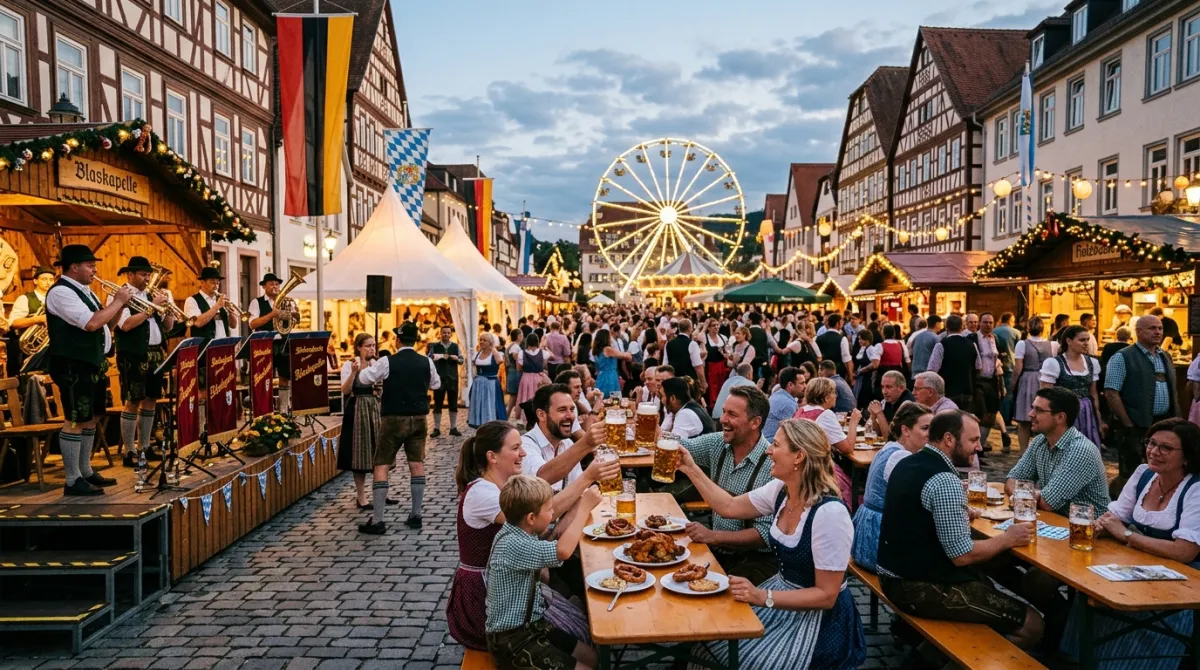
Oktoberfest is an iconic German festival that takes place annually in Munich and across Germany. It is the largest beer festival in the world, attracting millions of visitors from around the globe.
The event celebrates Bavarian culture, traditions, and, of course, beer. People gather in massive beer tents to enjoy a wide variety of German beers, traditional food, and live music.
Oktoberfest is not just about drinking in beer gardens; it also features colorful parades, amusement rides, and traditional costumes like Lederhosen and dirndls.
The festival creates a vibrant and lively atmosphere where people can immerse themselves in German culture and create unforgettable memories.
10. Nudity Acceptance
Nudity acceptance in Germany is a cultural aspect that differs from many other countries. German society has a more relaxed attitude towards nudity, particularly in certain contexts such as saunas, spas, and designated nude beaches. It is seen as a natural and liberating experience rather than something provocative or shameful.
This acceptance is rooted in Germany's history of embracing body positivity and a healthy attitude toward the human body. Nudity is often viewed as a way to connect with nature and promote body acceptance and self-confidence.
However, it's important to note that nudity acceptance varies among individuals and regions in Germany, and it is always important to respect personal boundaries and cultural norms.
11. German Language Diversity
Germany is known for its rich language diversity, with several dialects and regional variations spoken across the country. The German language itself is derived from the West Germanic branch of the Indo-European language family.
High German, or Hochdeutsch, is the standardized form used in official and educational settings, while dialects like Bavarian, Swabian, and Low German are spoken regionally.
These dialects can vary significantly in pronunciation, vocabulary, and grammar, reflecting the cultural and historical diversity of Germany.
Language diversity adds depth and uniqueness to German culture, creating a sense of local identity and fostering linguistic pride among its speakers.
12. Board Games Galore
Board games have long been a beloved pastime in Germany, with a rich tradition of game development and enthusiastic players.
Germany is renowned for its wide variety of board games, ranging from classic titles to innovative creations. German board games emphasize strategy, social interaction, and engaging gameplay.
Popular games like Settlers of Catan and Carcassonne have gained international acclaim. These games bring people together, fostering social connections and providing hours of fun.
Board games continue to be a cherished part of German culture, offering entertainment and enjoyment for all ages.
Frequently Asked Questions
Below are answers to some frequently asked questions about German traditions, customs, and culture.
What is a popular tradition in Germany?
Oktoberfest is a highly popular tradition in Germany. It is an annual festival that celebrates Bavarian culture and attracts millions of visitors from around the world. The festival is known for its lively atmosphere, traditional music, delicious German food, and, of course, the vast variety of beer.
How important are traditions in Germany?
Traditions hold significant importance in Germany, playing a pivotal role in preserving cultural heritage and fostering a sense of national identity. They are deeply ingrained in the social fabric of the German people and are cherished as a way to connect with the past and pass on values to future generations. From Christmas markets to Oktoberfest, these traditions not only provide a sense of continuity but also attract visitors from around the world, contributing to the country's tourism and economy.
What are common German traditions?
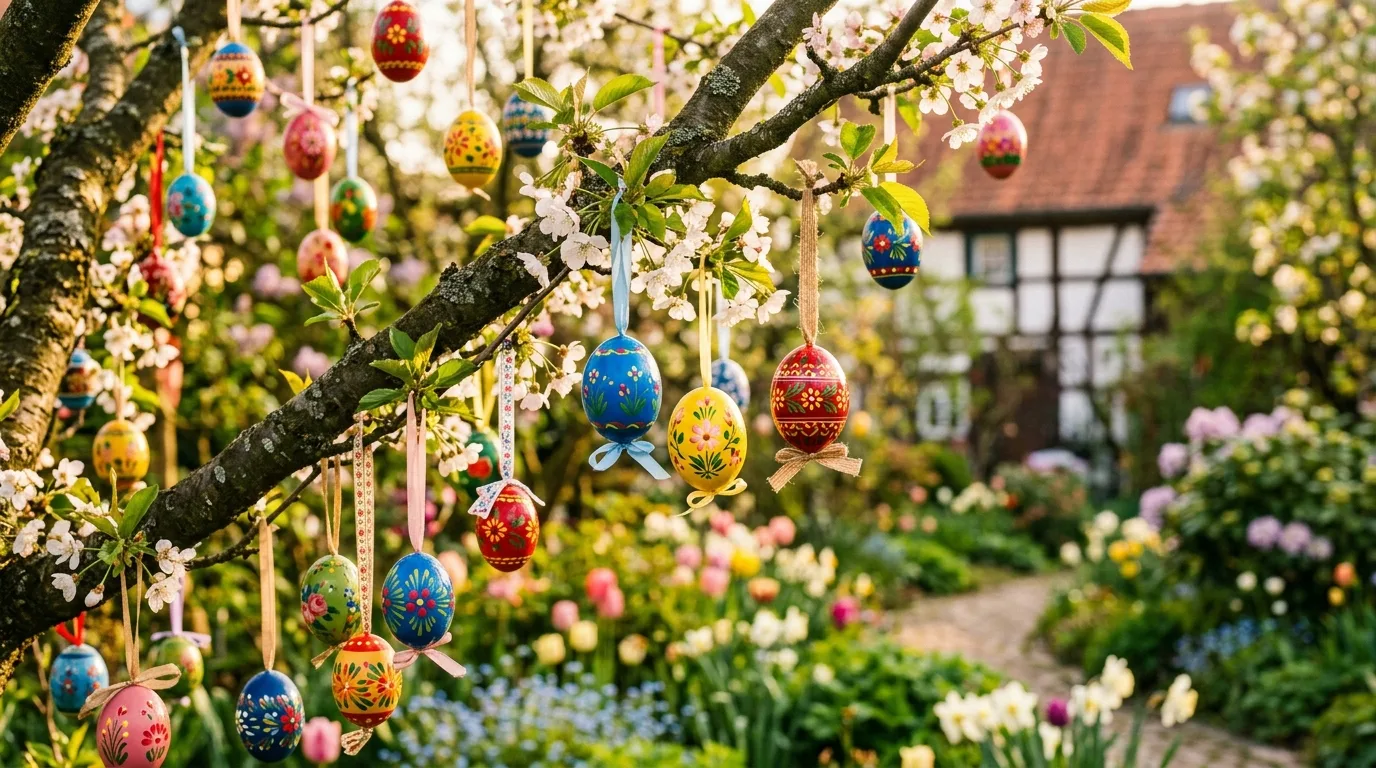
Some of Germany's traditions include the vibrant celebration of Oktoberfest, as well as Christmas markets, known as Weihnachtsmärkte, and the annual Easter egg tree tradition, Ostereierbaum, which involves decorating trees with beautifully painted eggs. These traditions showcase the rich cultural heritage of Germany and bring communities together in joyful celebrations.
What is an old German tradition?
One of the old traditions of Germany is the Schultüte, a cone-shaped gift filled with treats and school supplies given to children on their first day of school.
Another old tradition is the Kranzbinden, the art of wreath-making, especially during the Advent season.
Additionally, the Stollen is a traditional German fruitcake enjoyed during Christmas, which has been a part of German culinary heritage for centuries.
These old traditions have been passed down through generations, preserving the cultural heritage of Germany.
Summing Up: Things You Never Knew About German Traditions
German traditions are a reflection of the country's rich history, values, and cultural heritage.
From the early Christmas celebrations and the tradition of hanging lost items in trees to the lively festivities of Karneval and the world-famous Oktoberfest, German customs offer a glimpse into the unique spirit of the nation.
Learning about these German values not only deepens your understanding of German culture but also fosters an appreciation for the diversity and richness of global customs.
So, embrace the opportunity to learn more about German customs and discover the vibrant tapestry that makes Germany an enchanting and captivating country.