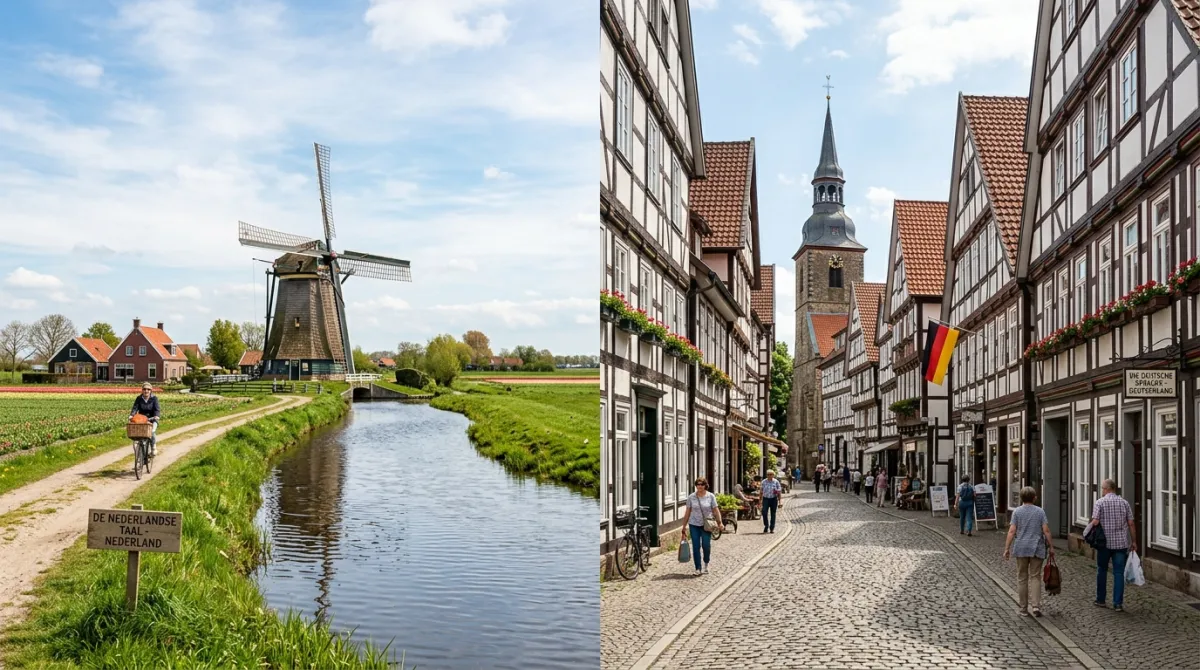
In this article, we will explore the fascinating world of German dialects, specifically focusing on the differences between High German and Low German.
While High German is often associated with formal settings and taught in schools, it is crucial to understand that there are numerous dialects spoken across Germany and other German-speaking countries.
By understanding the distinct features of High German and Low German, we can gain a deeper appreciation for the rich linguistic tapestry of the <German language.
Frequently Asked Questions
Is High German the same as Standard German?
High German and Standard German are closely related, but they are not exactly the same. Standard German is based on High German dialects and is the official written language taught in schools. However, High German is often used synonymously with Standard German because it is the most spoken language form in German-speaking countries.
What is considered High German?
High German refers to a group of dialects spoken in southern Germany, which forms the basis of the standard German language. Upper and Central German dialects, such as Swiss German and Pennsylvania Dutch, form the High German dialect group.
How many dialects of German are there?
There are numerous dialects of German, with estimates suggesting there could be as many as 250 of them spoken across different regions. These dialects include High German, Low German, Upper German, and many others.